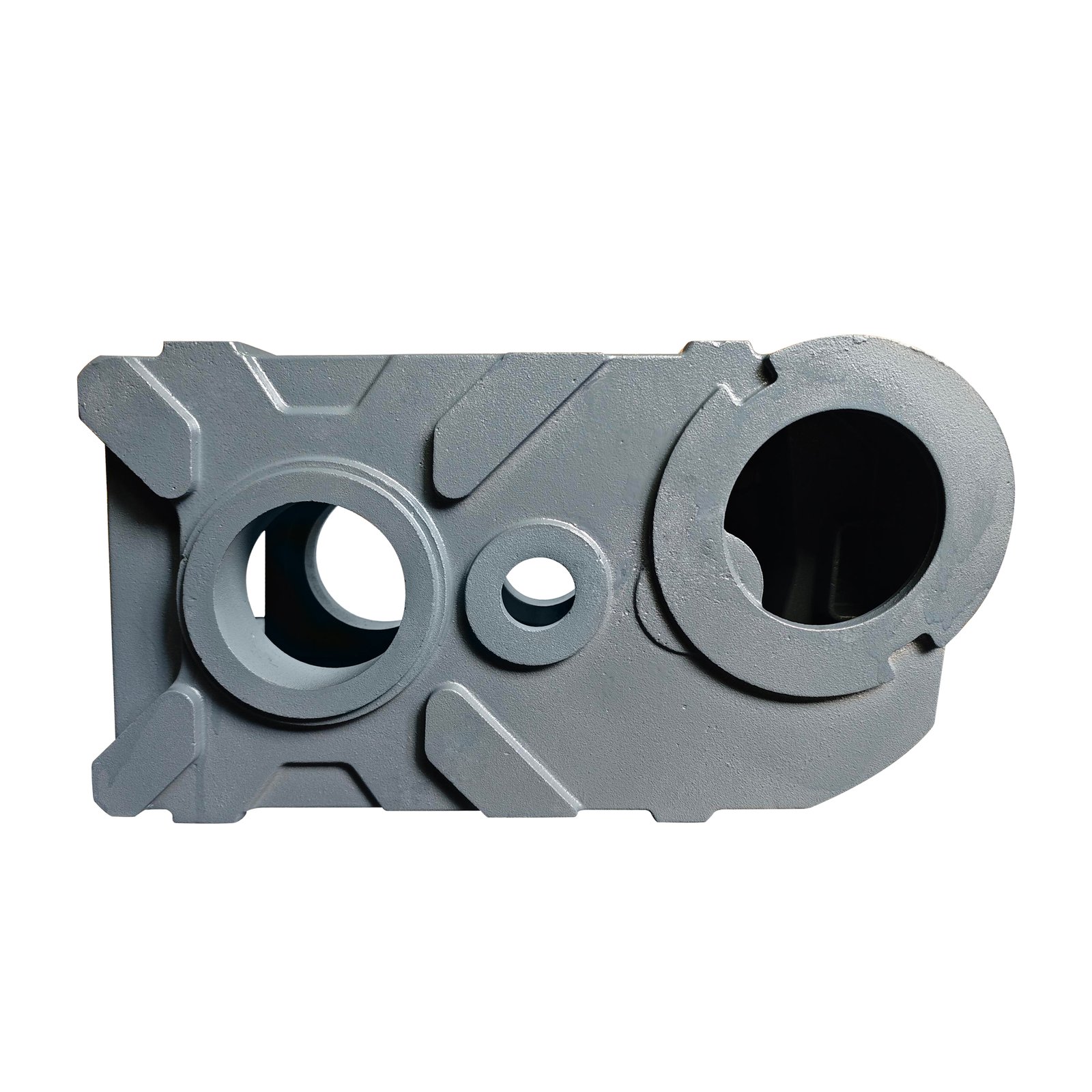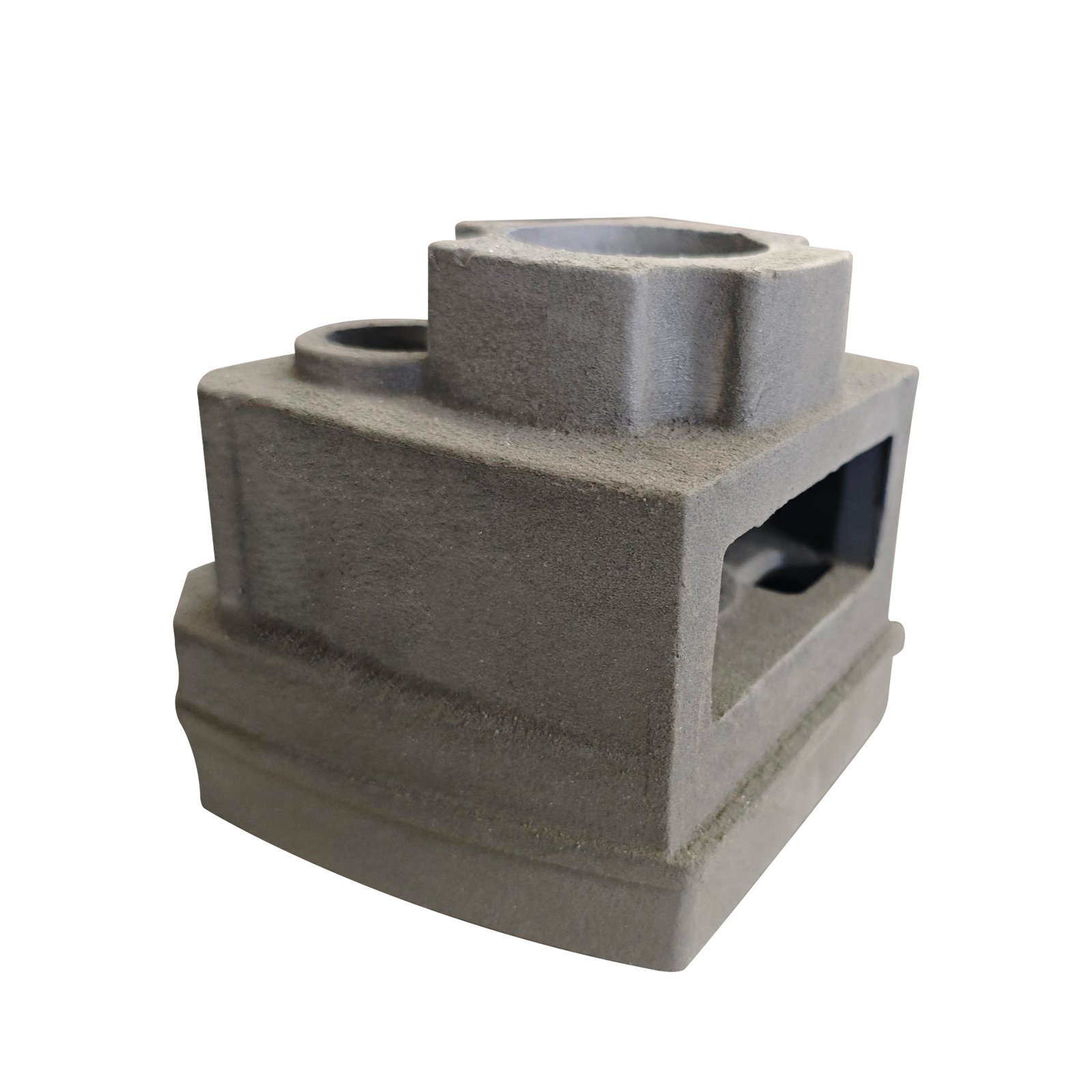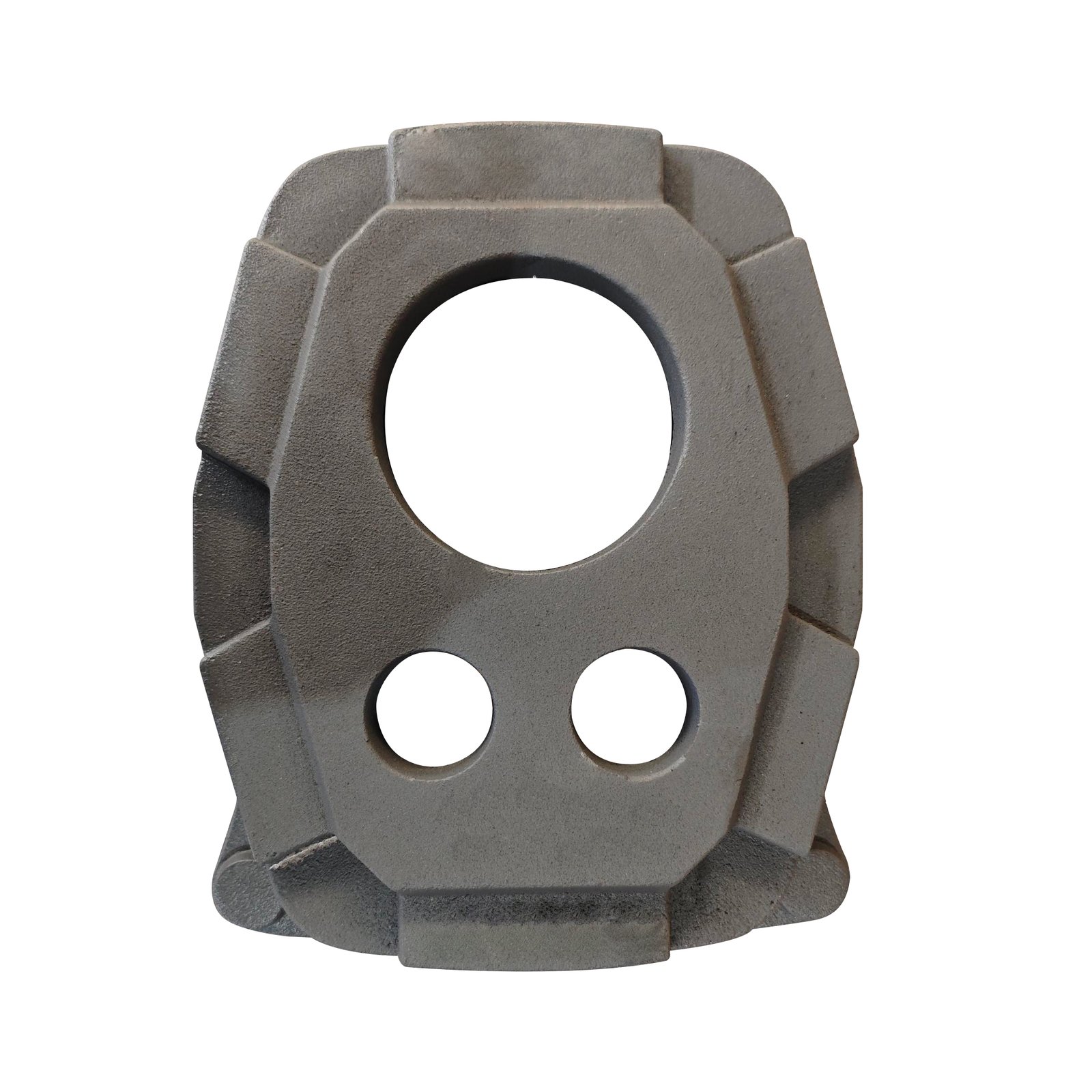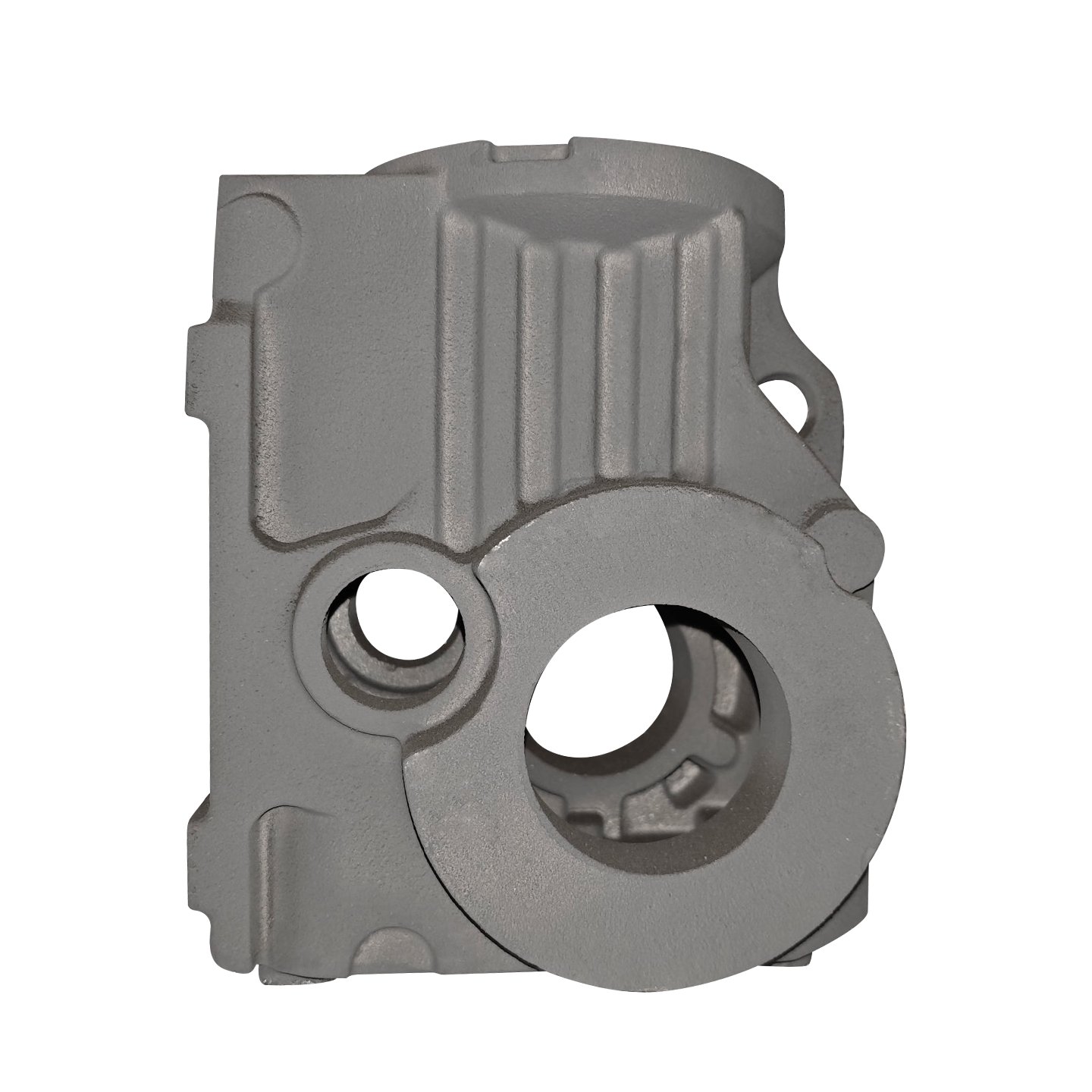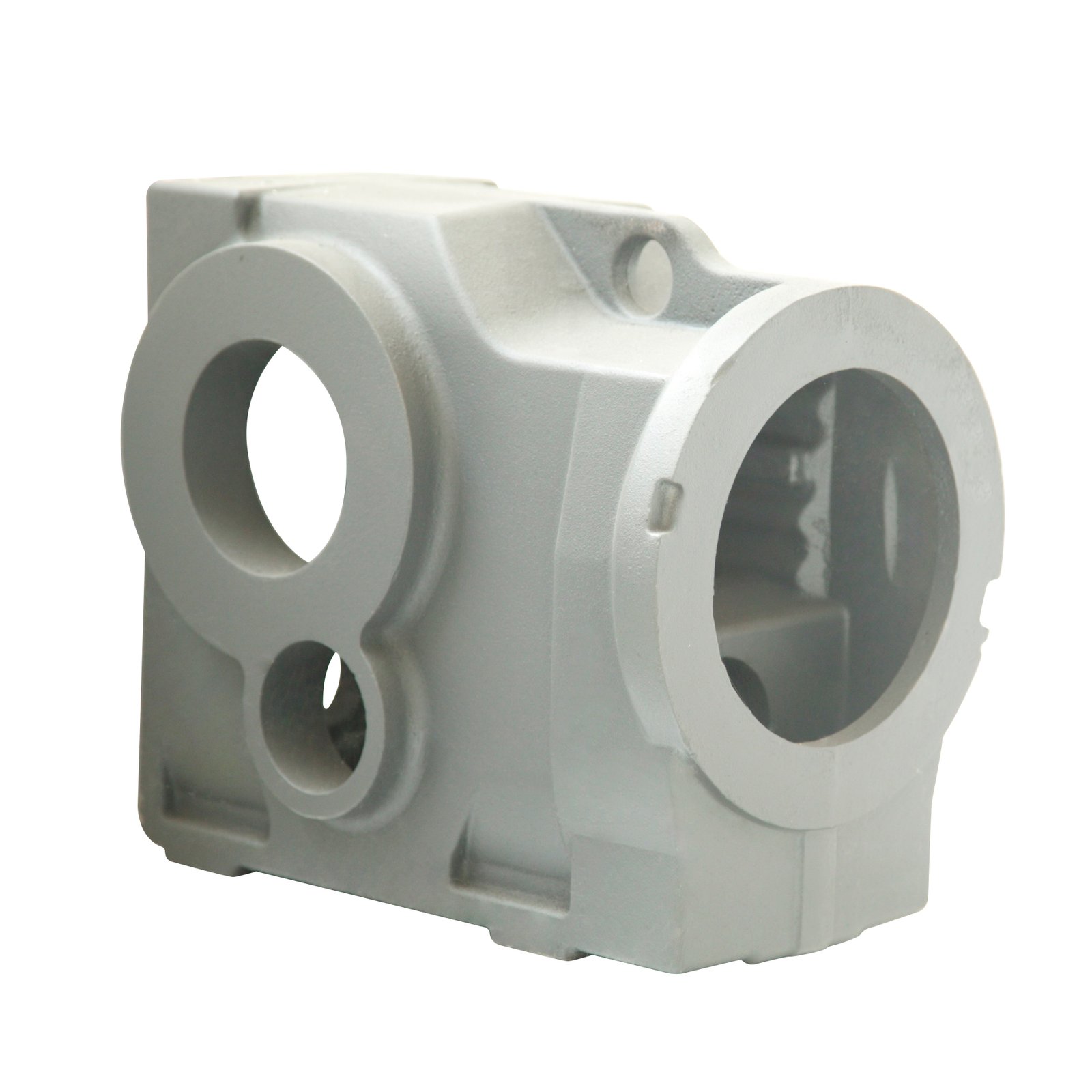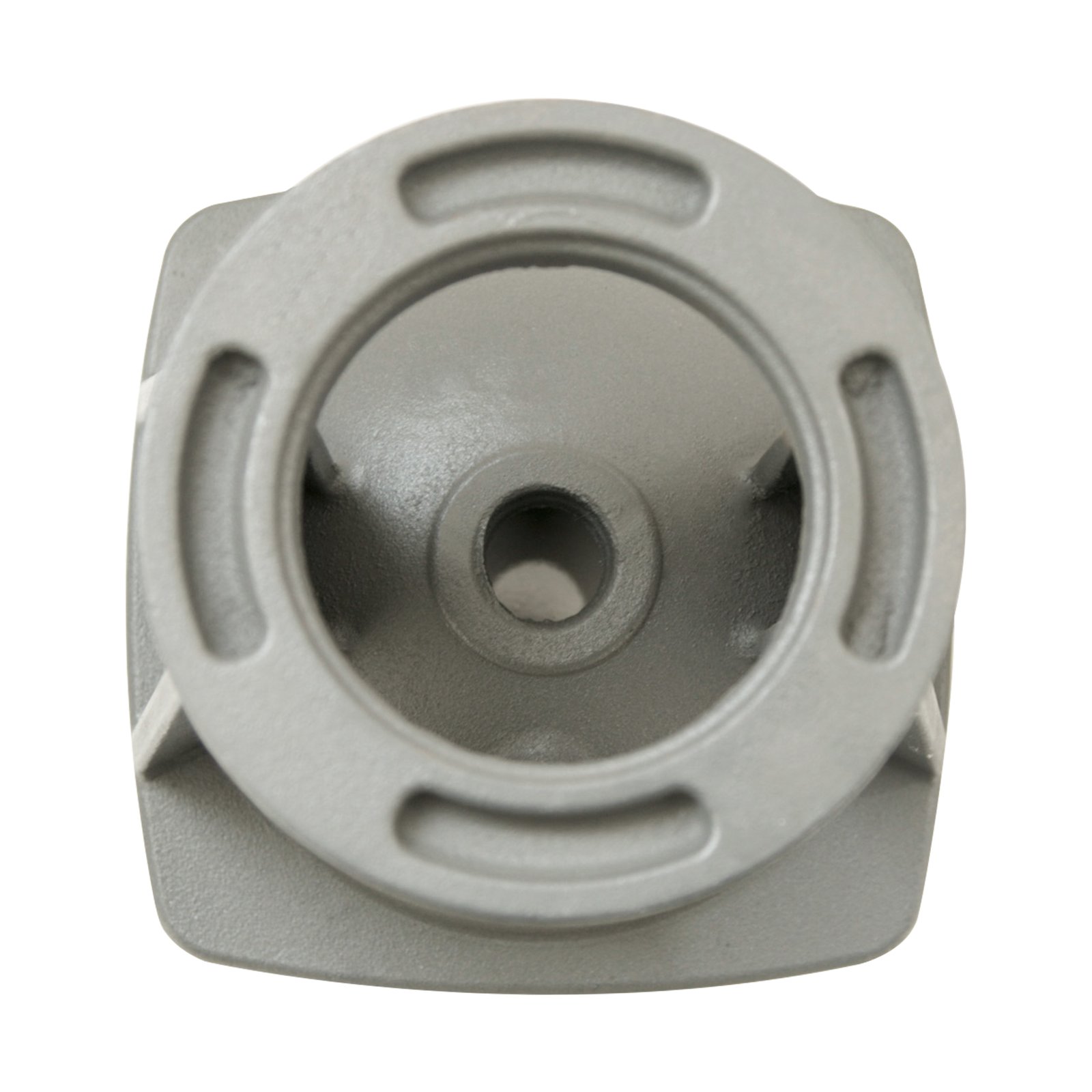
Lost Foam Casting
About Lost Foam Casting
Lost foam casting is an innovative precision casting process that uses expendable foam patterns, typically made from polystyrene, to create highly accurate metal castings. The foam pattern is first coated with a thin refractory layer, which improves mold strength and surface quality. The coated pattern is then embedded in unbonded dry sand that is compacted through vibration.
When molten metal is poured into the mold, the foam pattern vaporizes instantly and is replaced by the metal, forming a casting that faithfully replicates the original foam shape. This process eliminates the need for traditional cores and mold parting lines, making it ideal for producing complex geometries in a single step.
Advantages
Detailed Process Steps
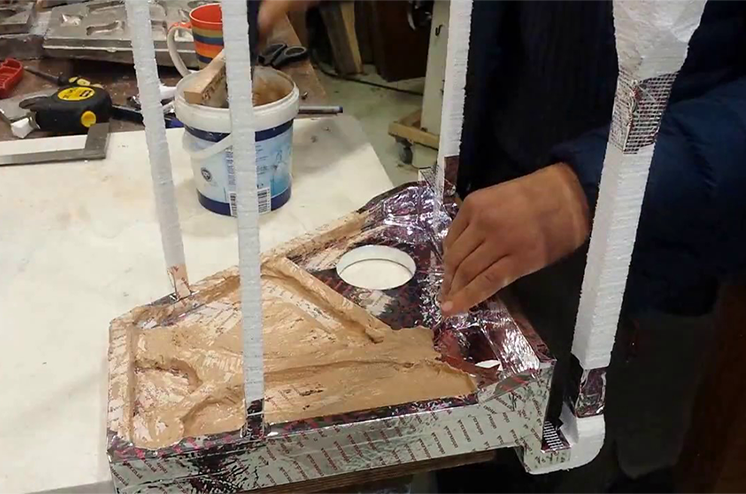
1.Foam Pattern Production
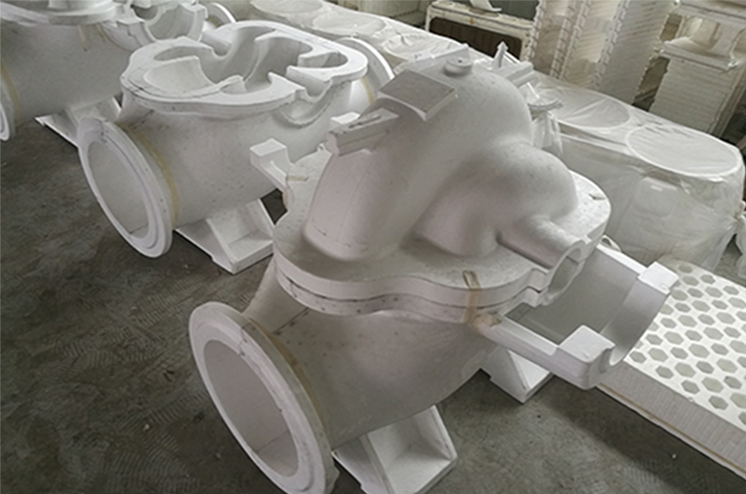
2.Pattern Assembly & Preparation
Single patterns or clusters are mounted onto a gating system. This assembly prepares the foam for the coating process and ensures smooth metal flow during casting.
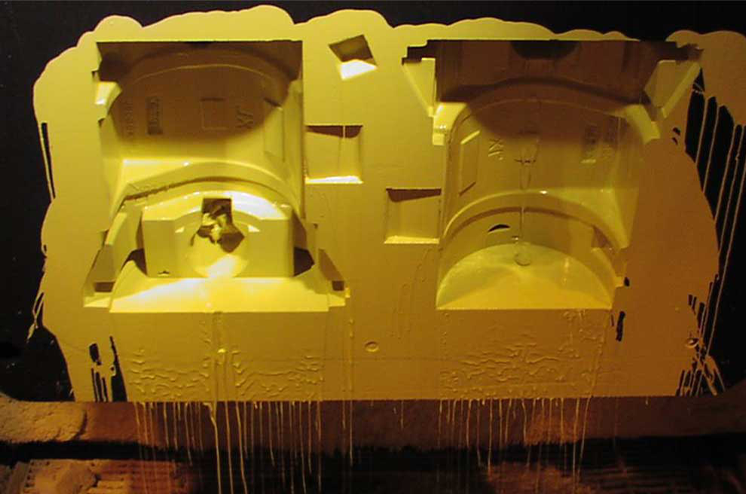
3.Refractory Coating Application
The foam pattern is dipped or sprayed with a thin refractory coating. This layer strengthens the pattern surface, improves mold permeability, and enhances the final casting’s accuracy and finish.
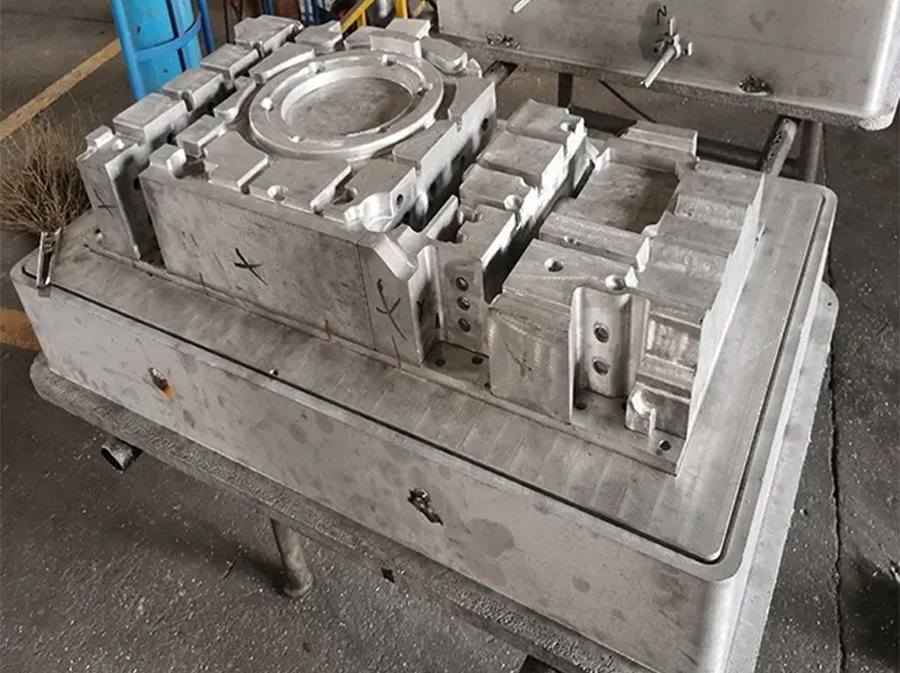
4.Mold Box Filling & Sand Compaction
The coated foam pattern is placed inside a flask (molding box) and surrounded by unbonded dry sand. Vibration is applied to compact the sand tightly around the foam, providing support during metal pouring.
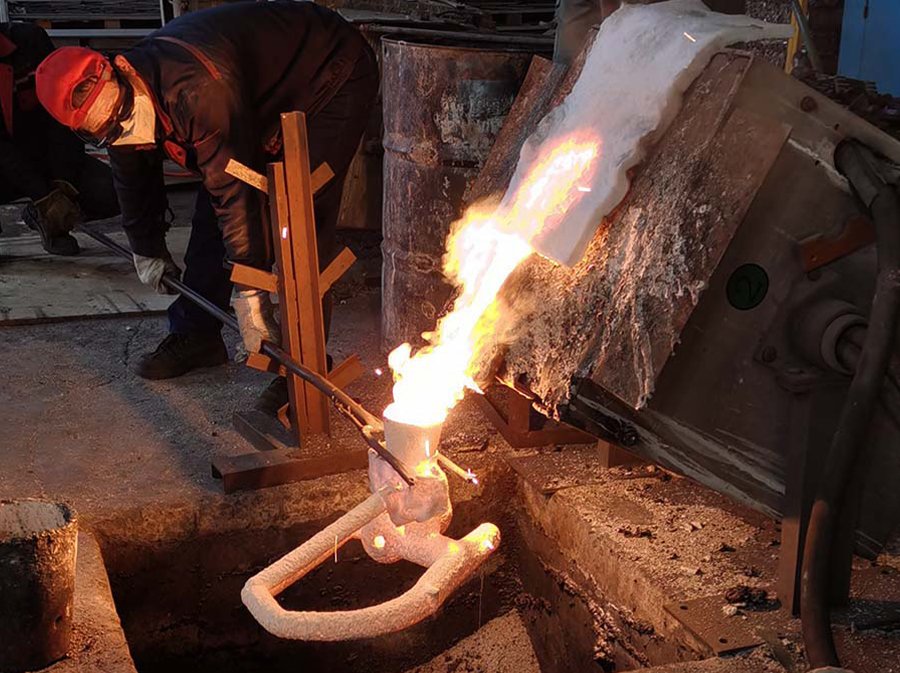
5.Metal Pouring & Foam Evaporation
Molten metal is poured directly into the sand mold. The heat causes the foam pattern to vaporize instantly, allowing the liquid metal to fill the cavity and replicate the original design with high precision.
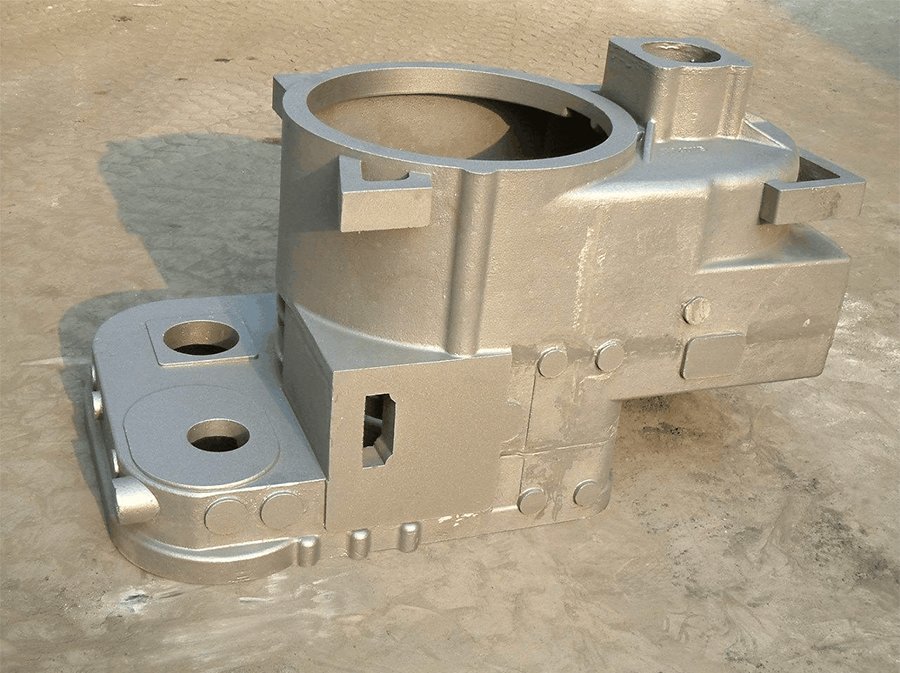
6.Cooling, Shakeout & Finishing
Once the metal solidifies, the surrounding sand is removed and recycled. The casting is separated from the gating system, cleaned, and subjected to finishing processes such as grinding, machining, or heat treatment to achieve the required specifications.
Applications of Lost Foam Casting
1. Automotive Industry
-
Examples: Engine blocks, cylinder heads, intake manifolds, brake components.
-
Why Lost Foam Casting: This process eliminates the need for complex cores, making it ideal for producing hollow and intricate shapes such as coolant passages inside engine blocks. It provides excellent dimensional stability, good surface finish, and reduces post-machining, which is critical for modern automotive lightweight and fuel-efficient designs.
2. Heavy Machinery
-
Examples: Pump housings, gearboxes, machine tool frames, and structural components.
-
Why Lost Foam Casting: Heavy machinery requires large and durable castings with high structural integrity. Lost foam casting allows these parts to be cast as a single piece, avoiding multiple assemblies and welding. This results in higher strength, reduced weak points, and lower overall manufacturing costs.
3. Energy Industry
-
Examples: Turbine casings, valve bodies, pipe fittings, and impellers.
-
Why Lost Foam Casting: Energy applications demand parts that can handle high pressure, high temperature, and corrosive environments. Lost foam casting ensures complex internal designs and smooth flow paths for fluid handling components, improving performance and service life in power plants, oil & gas, and chemical processing systems.
4. Agricultural & Mining Equipment
-
Examples: Wear-resistant components, shovel arms, brackets, large structural castings.
-
Why Lost Foam Casting: Agriculture and mining equipment often require large, heavy-duty parts with high wear resistance. Lost foam casting provides cost-effective production of oversized and complex geometries, making it possible to replace multiple welded components with a single robust casting.
5. General Industrial Parts
-
Examples: Custom housings, machine brackets, conveyor components, and specialized fittings.
-
Why Lost Foam Casting: This process offers flexibility for producing both standard and custom designs with intricate features. It is particularly useful for industrial parts where design complexity, accuracy, and durability are required, while keeping production economical.
Examples of Lost Foam Casting Products