
CNC Machining
About CNC Machining
CNC (Computer Numerical Control) machining is a precision subtractive manufacturing process that uses computer-controlled machine tools to remove material from a solid workpiece. The process begins with a digital CAD model, which is converted into a set of machine-readable instructions (G-code). These instructions guide cutting tools such as mills, lathes, drills, or grinders to shape the raw material into the final component.
Unlike manual machining, CNC machining is automated, highly accurate, and repeatable, making it an essential technology for industries that demand consistency and tight tolerances.
Advantages
Detailed Process Steps
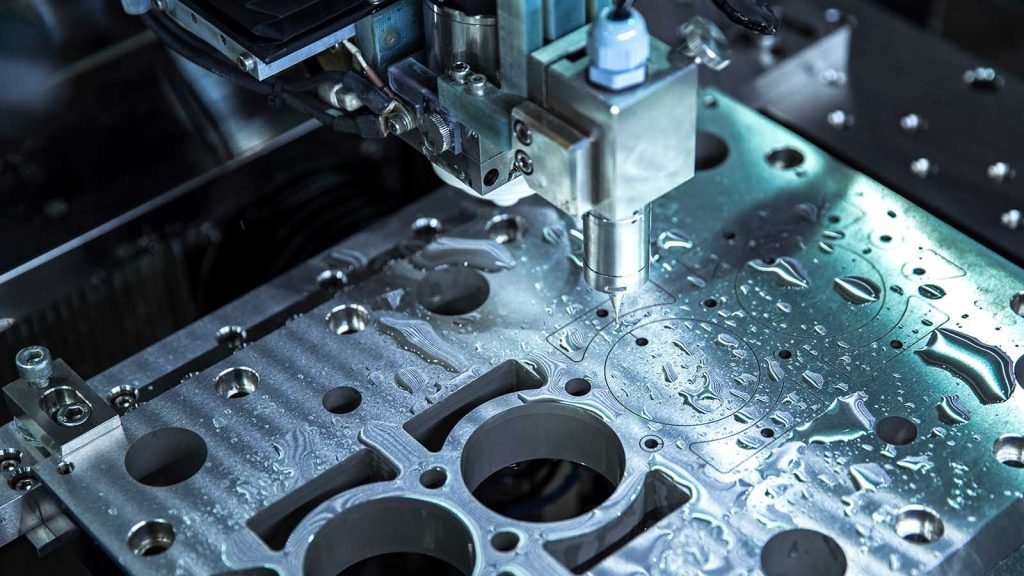
1.CAD Design
A 3D CAD model of the part is created with precise dimensions.
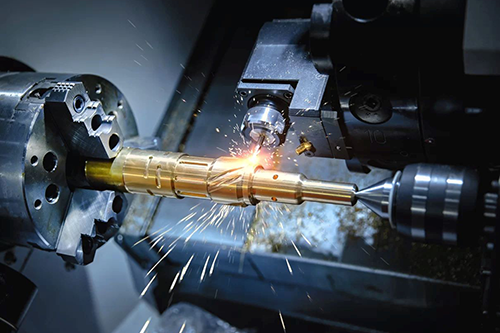
3.Machine Setup
The workpiece material is clamped, and cutting tools are installed in the CNC machine.
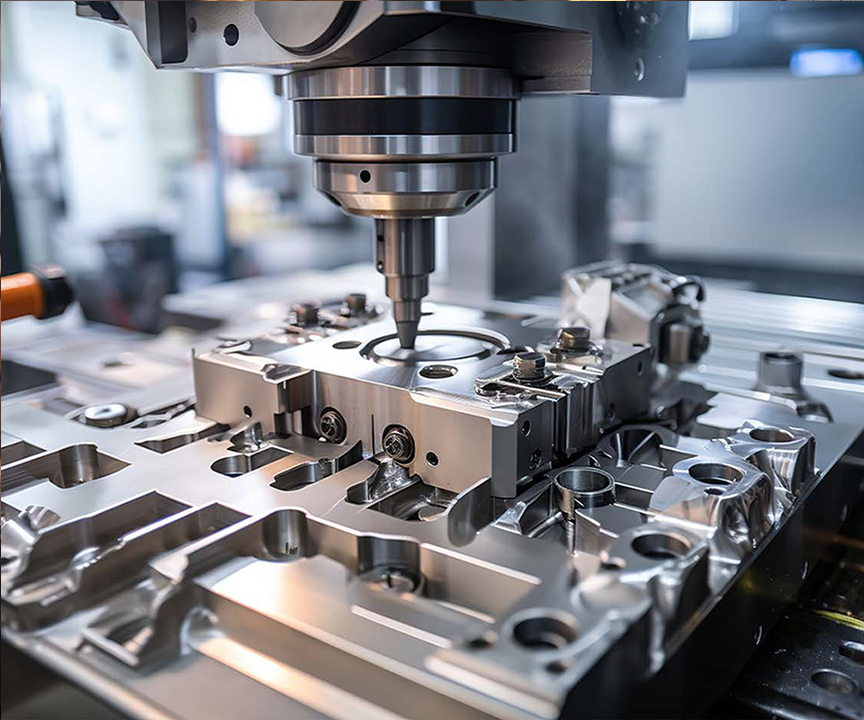
2.CAM Programming
The CAD file is converted into CAM instructions, generating toolpaths for the CNC machine.
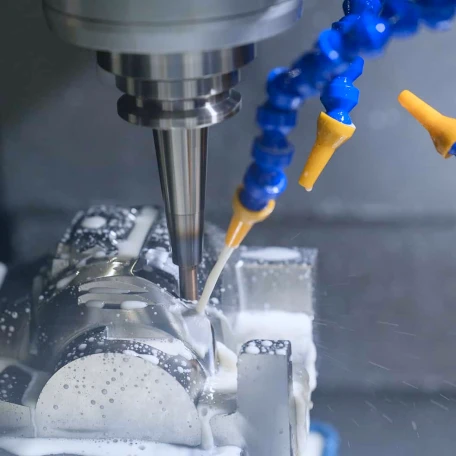
4.Machining Operation
The CNC machine executes programmed toolpaths to cut, mill, drill, or turn the material into the final shape.
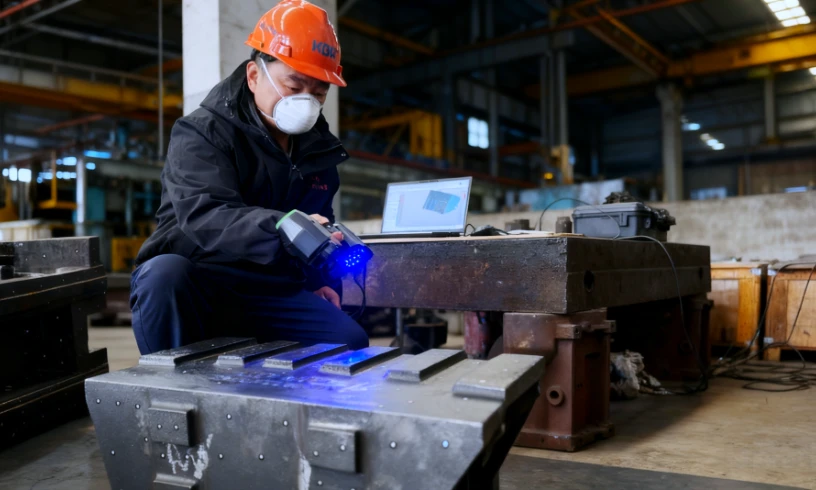
5.Finishing & Inspection
Post-processing such as deburring, polishing, heat treatment, or coating is applied, followed by quality inspection.
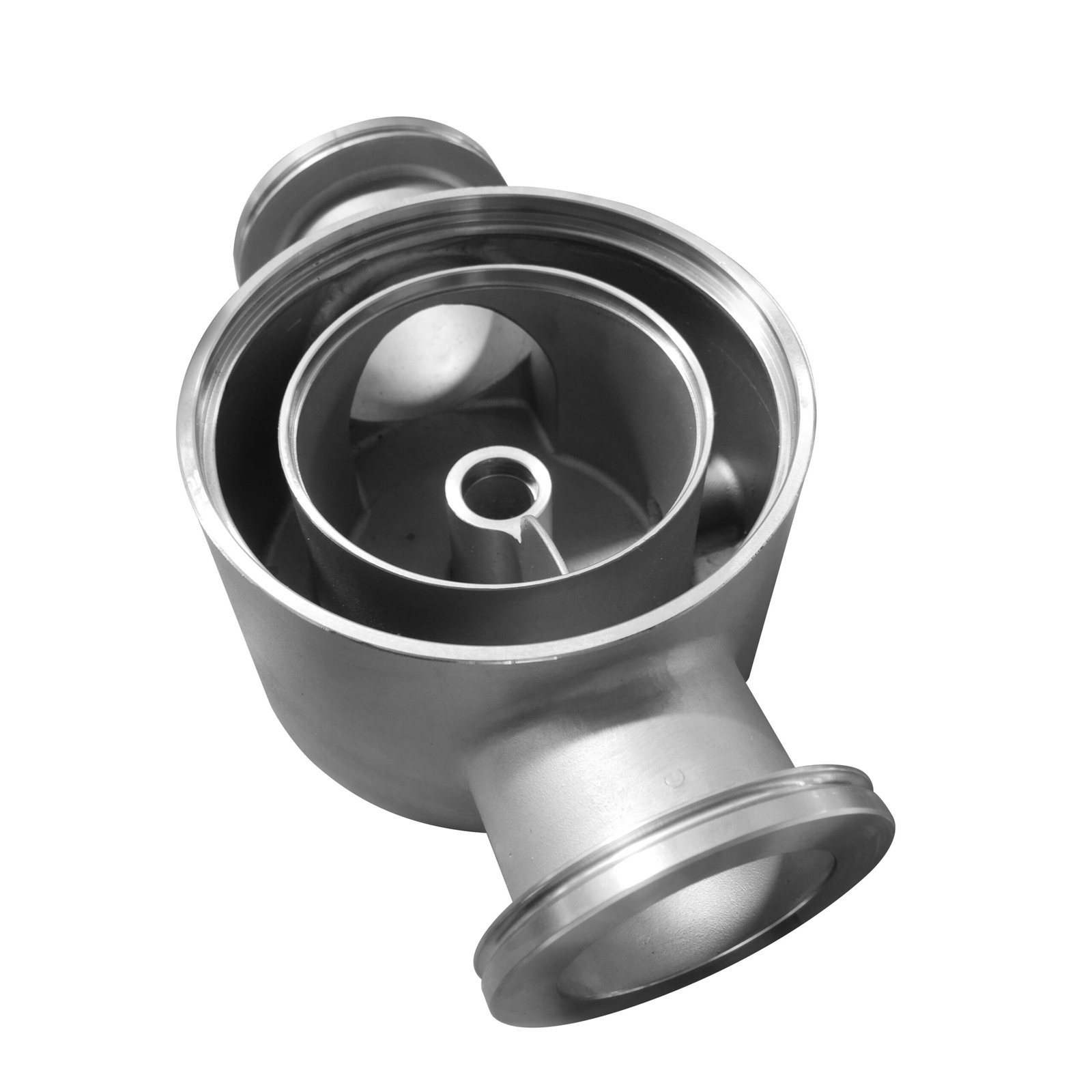
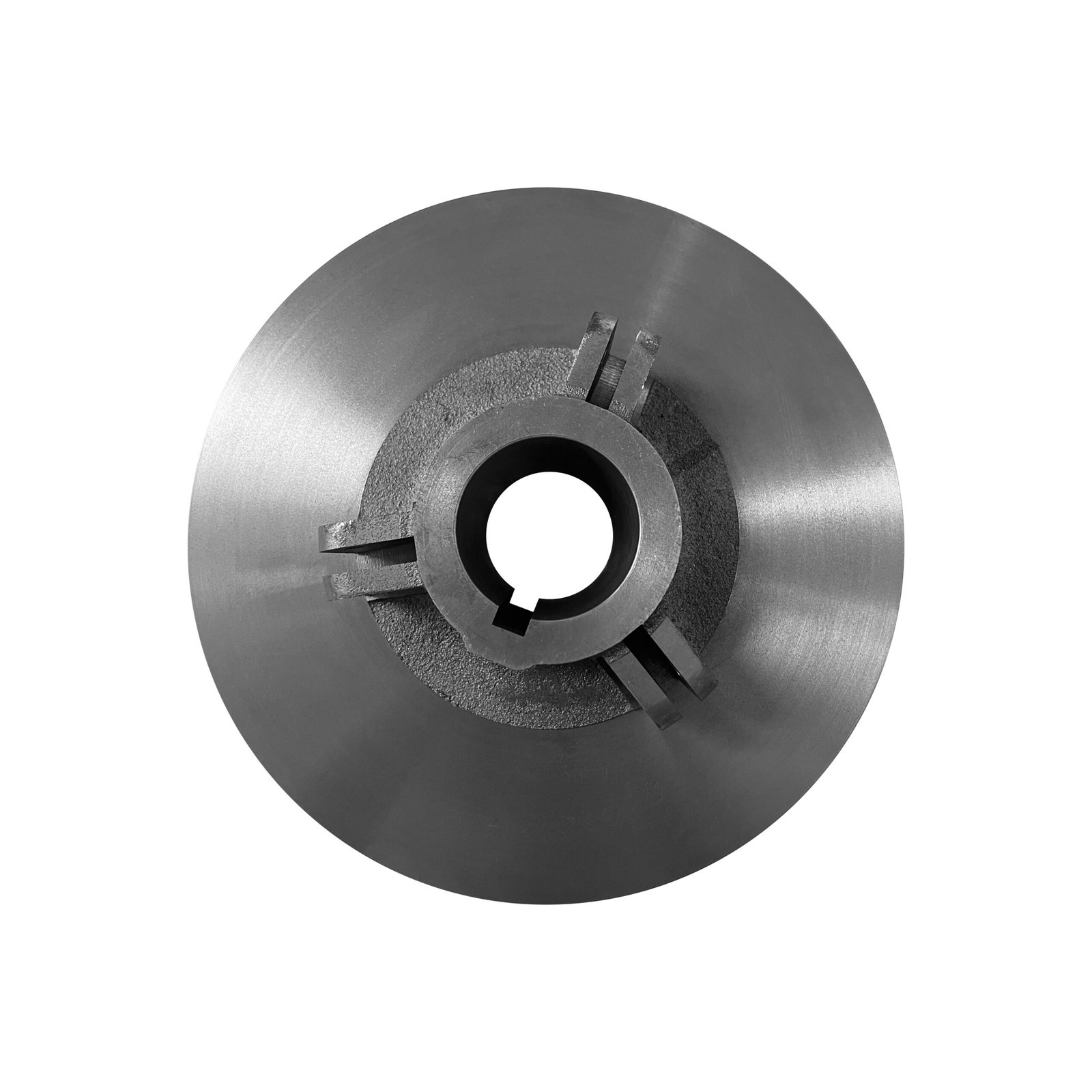
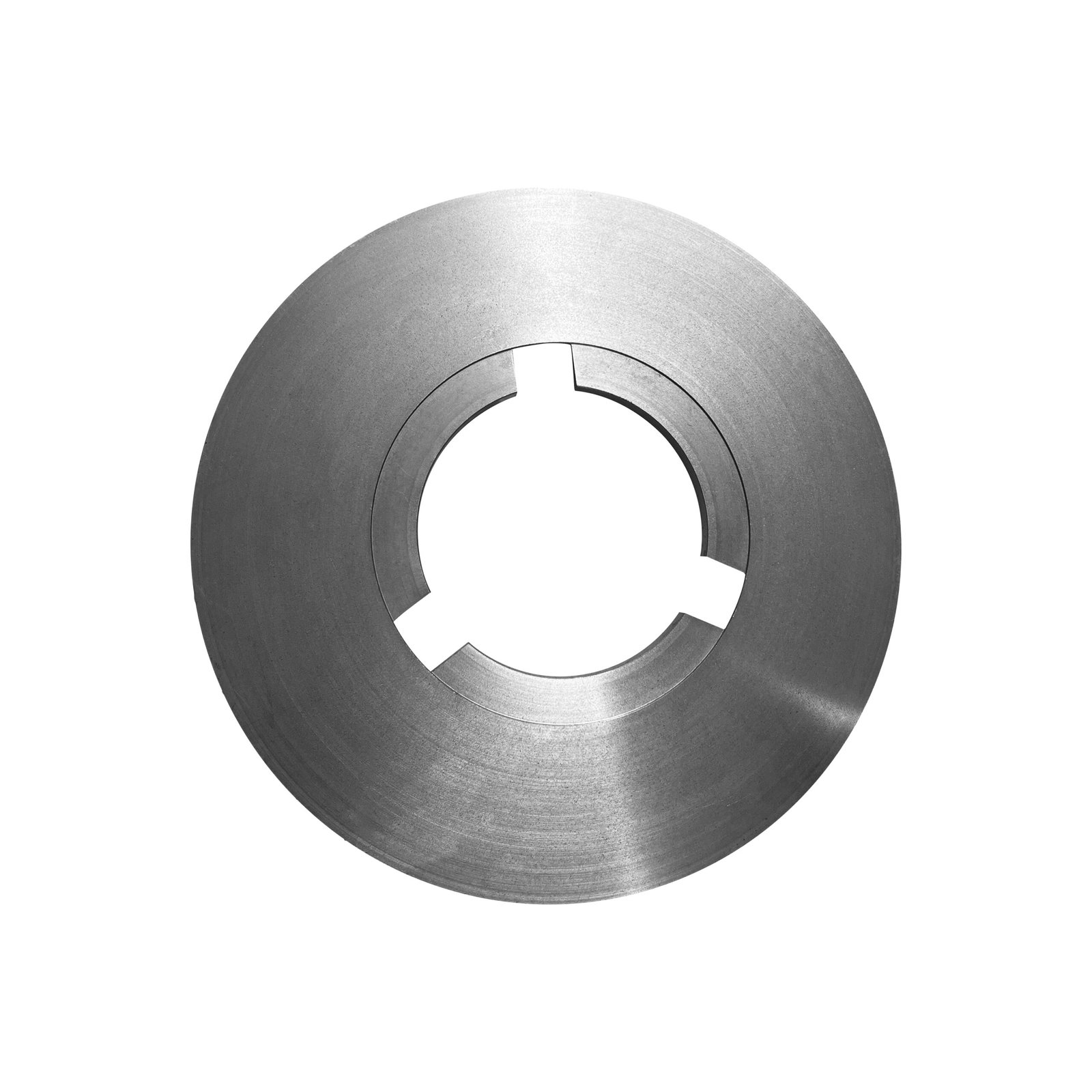
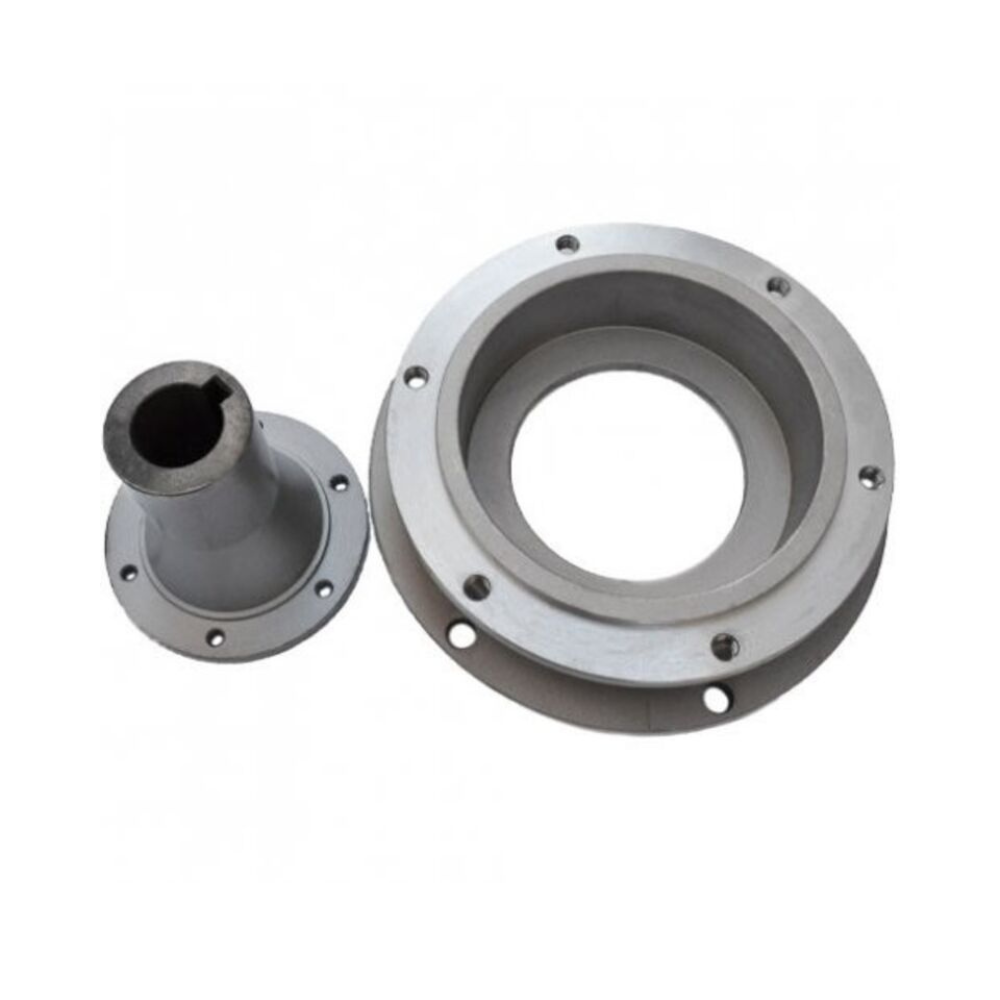
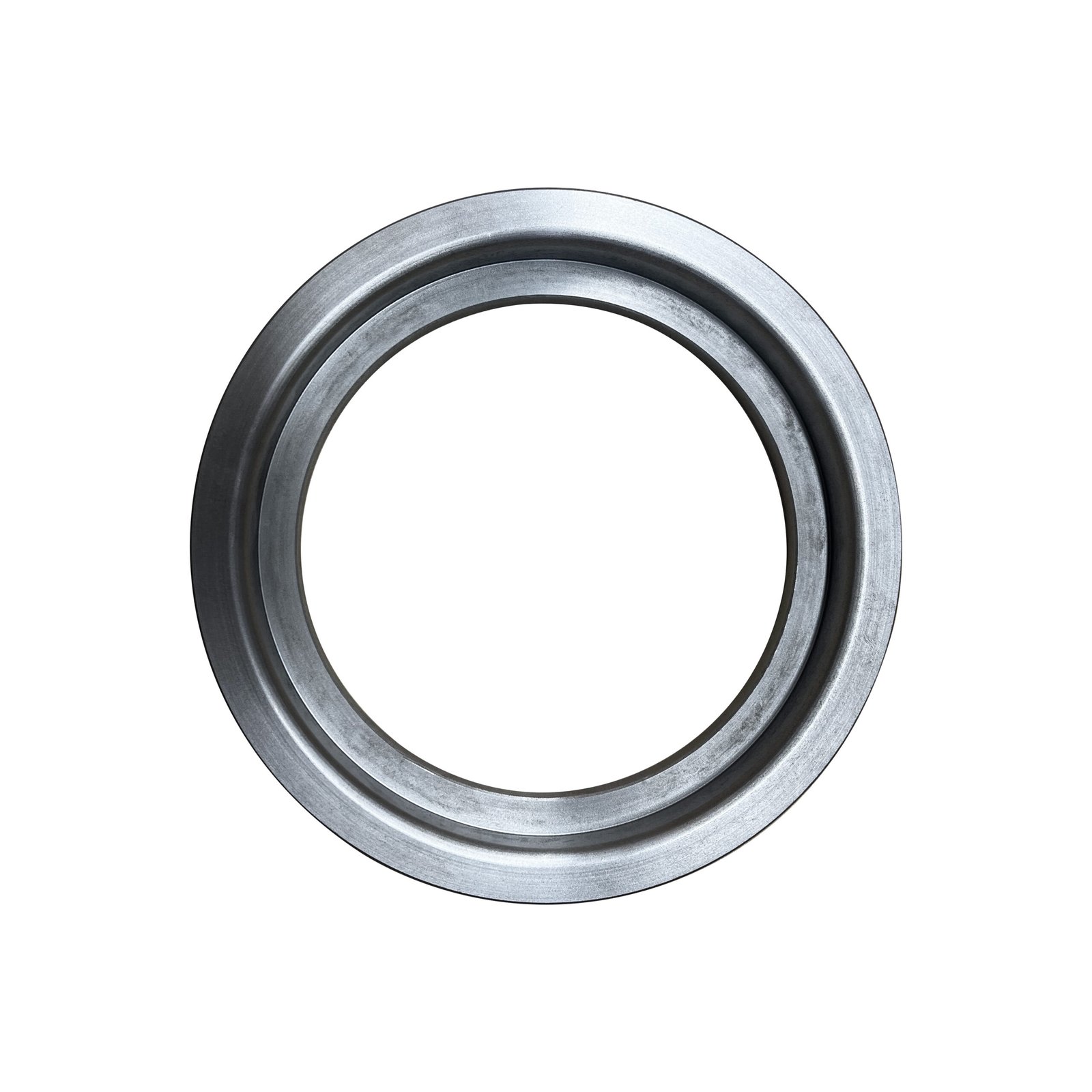
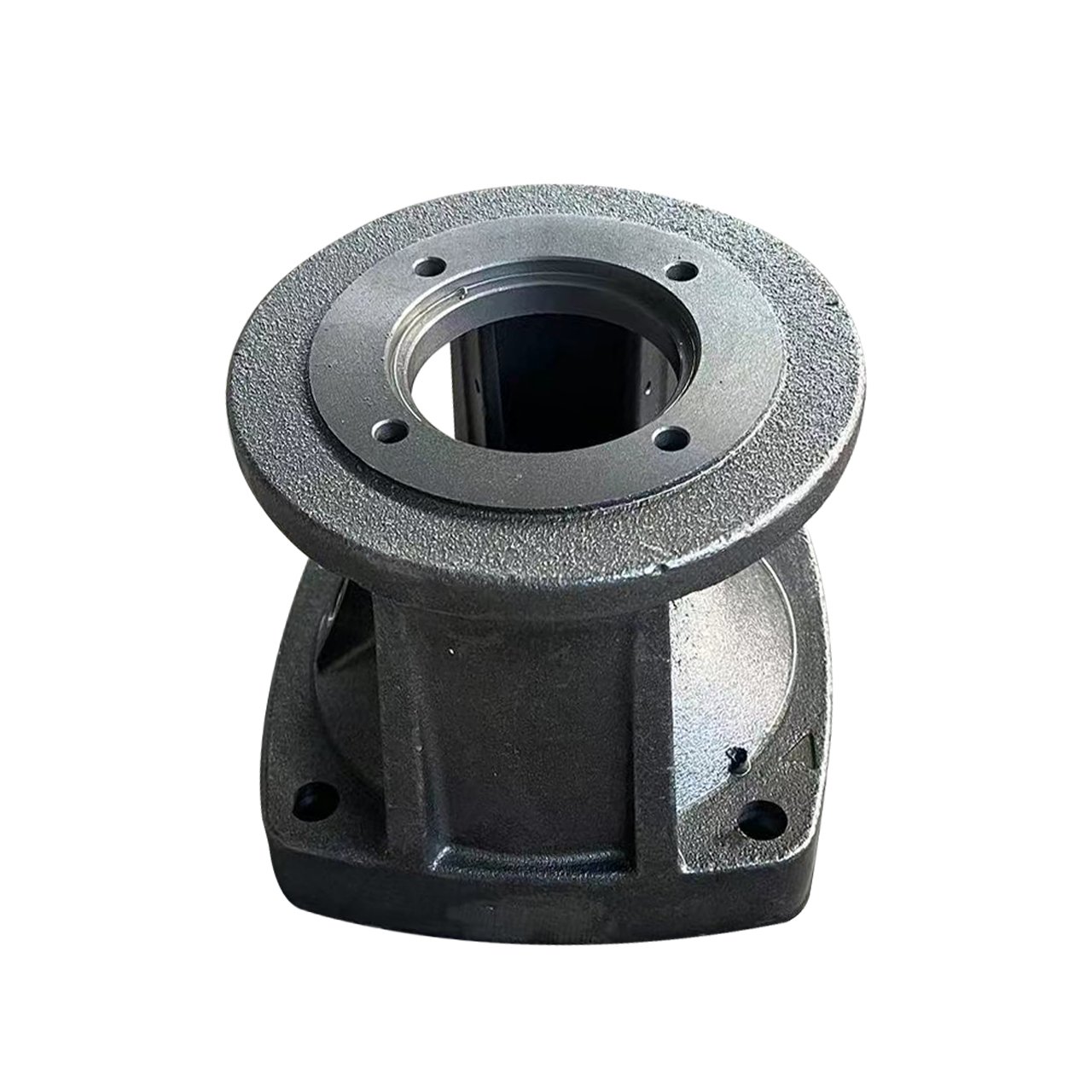
Examples of CNC Machining
Casting vs CNC Machining
| Aspect | Casting | CNC Machining |
|---|---|---|
| Best For | Large, complex shapes; bulk production | High-precision, complex details; prototypes and small to medium batches |
| Material Use | Wide range of metals and alloys | Metals, plastics, composites |
| Precision & Tolerance | Moderate (depends on casting method) | Very high (±0.01 mm) |
| Surface Finish | Rougher, often needs machining | Excellent finish, often ready-to-use |
| Production Speed | Fast for large volumes | Fast for prototypes, slower for high-volume |
| Cost Efficiency | Low cost per part in mass production | Higher cost per part, economical for precision parts |
| Design Flexibility | Great for large, hollow, or complex shapes | Best for precise geometries and fine details |
| Typical Industries | Automotive, heavy machinery, energy | Aerospace, medical, electronics, automotive precision parts |