Shell Mold Casting
About Shell Mold Casting
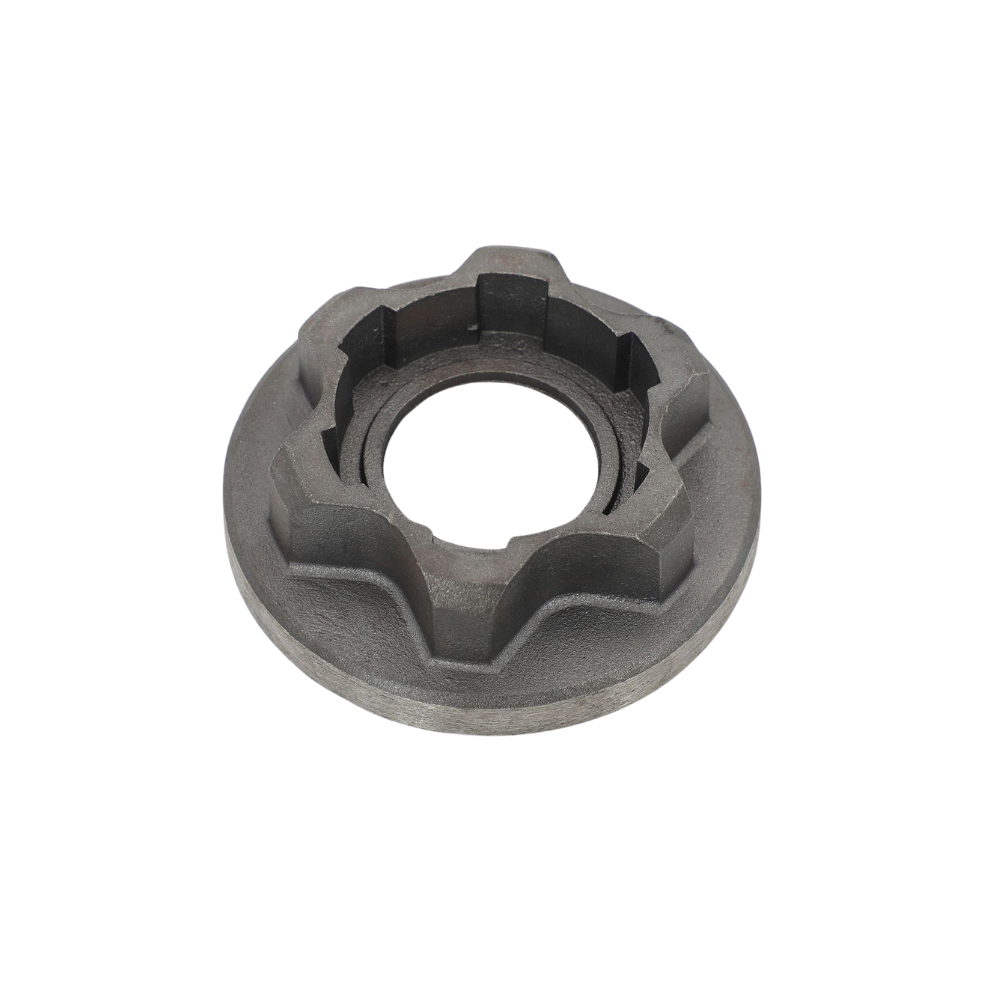
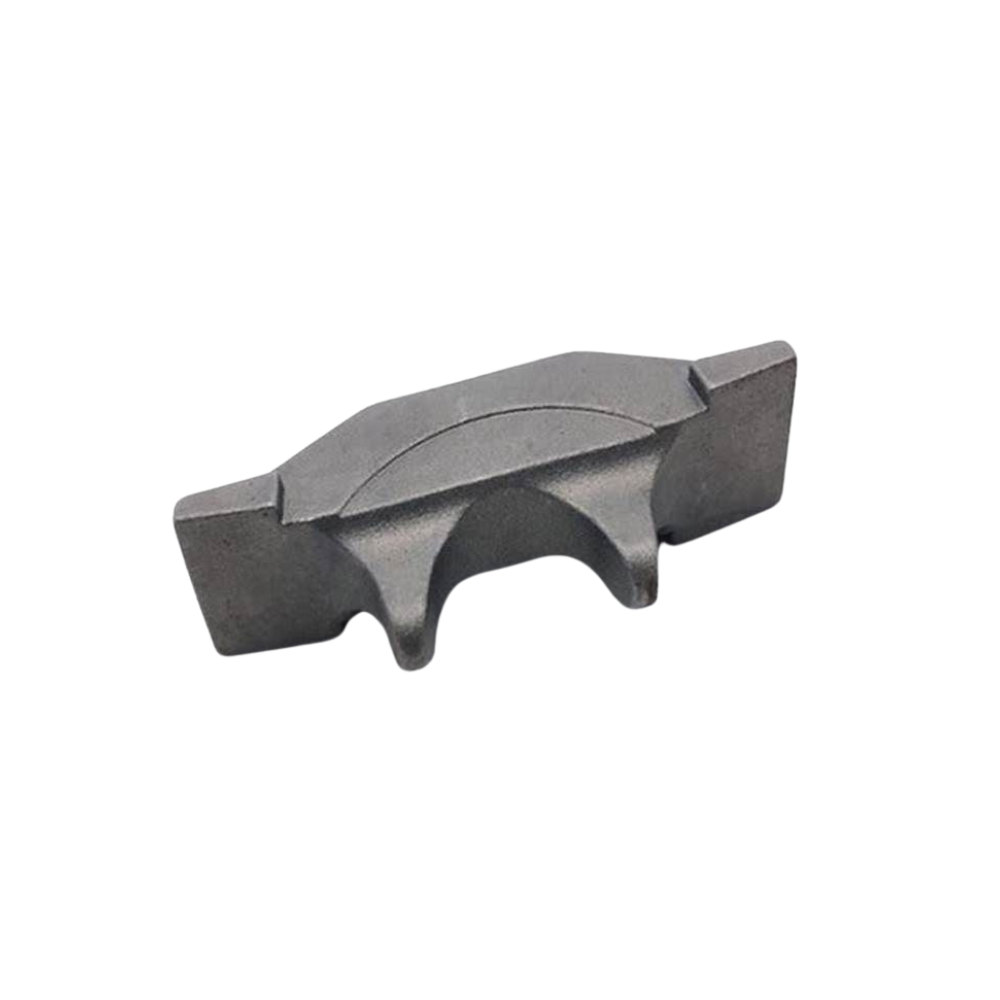
Shell mold casting, also known as shell molding, is a precision casting process that uses a thin-walled shell mold made of fine silica sand coated with thermosetting resin. The sand-resin mixture is applied onto a preheated metal pattern, where the heat cures the resin and forms a hard shell. Multiple layers are added until the shell reaches the required thickness.
This process produces castings with excellent dimensional accuracy, smooth surface finish, and reduced machining requirements. It is commonly used for medium to small-sized parts with intricate geometries, and it works with both ferrous and non-ferrous metals.
Advantages
Detailed Process Steps
1.Metal Pattern Preparation
A heated metal pattern (commonly made from steel or aluminum) is designed and manufactured based on the casting specifications. The pattern surface is polished and sometimes coated with a release agent to ensure smooth surface transfer and easy mold removal. Heating the pattern is essential, as it activates the curing process of the resin-coated sand in the next step.
2.Sand & Resin Coating
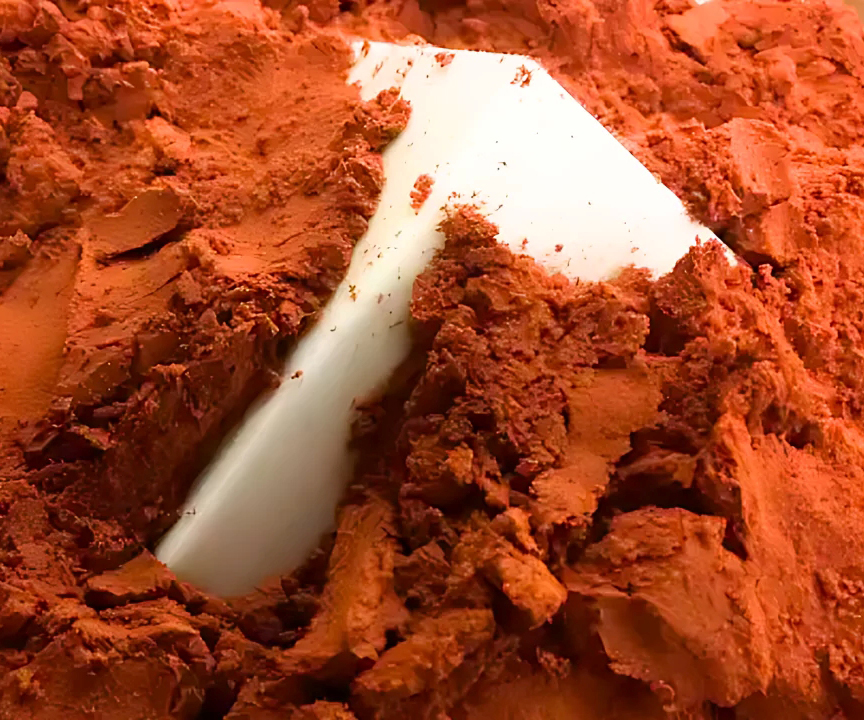
Fine silica sand coated with thermosetting resin is evenly applied to the hot metal pattern. As the sand contacts the heated surface, the resin softens and cures, bonding the sand grains together. This creates a thin, hardened layer that replicates the exact details of the pattern surface. The process ensures dimensional accuracy and smooth mold surfaces.
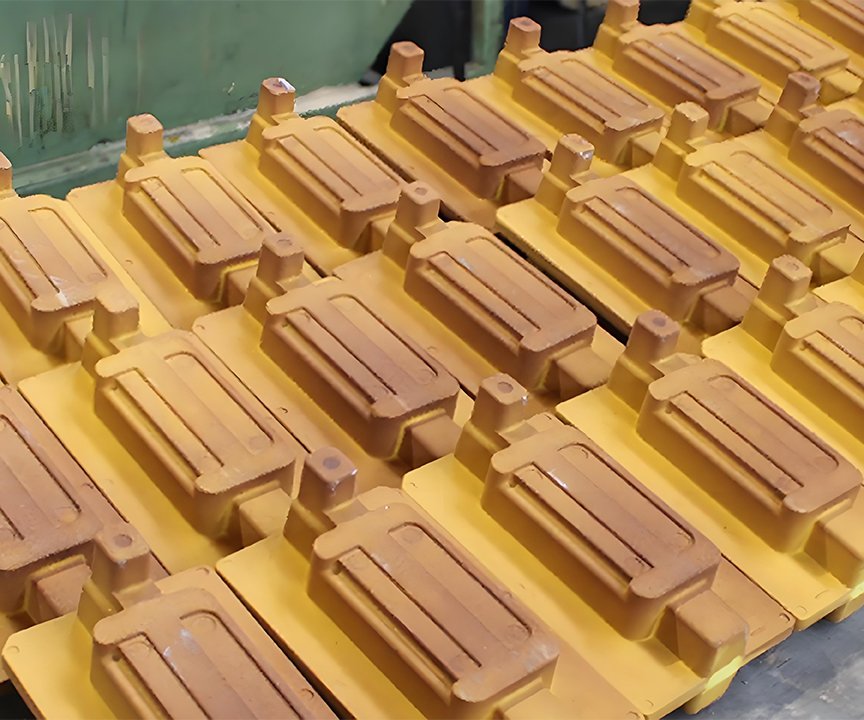
3.Shell Formation
The coating process is repeated multiple times, with each layer building upon the previous one. Layers are applied until the mold reaches the required thickness, typically 5–10 mm depending on the size and weight of the final casting. The multi-layer build-up creates a rigid, durable, and thermally stable shell that can withstand molten metal pouring without deformation.
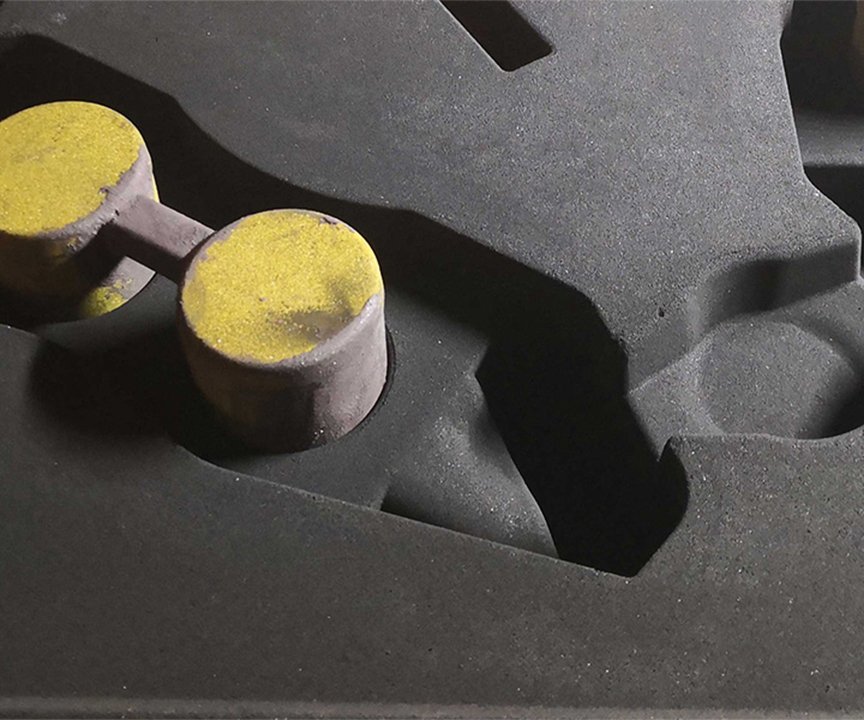
4.Pattern Removal
Once the shell mold is hardened, it is carefully removed from the metal pattern. This step requires precision to prevent cracking or damaging the shell. Since the shell is relatively thin but strong, removal ensures the mold retains fine details and dimensional accuracy of the original pattern design.
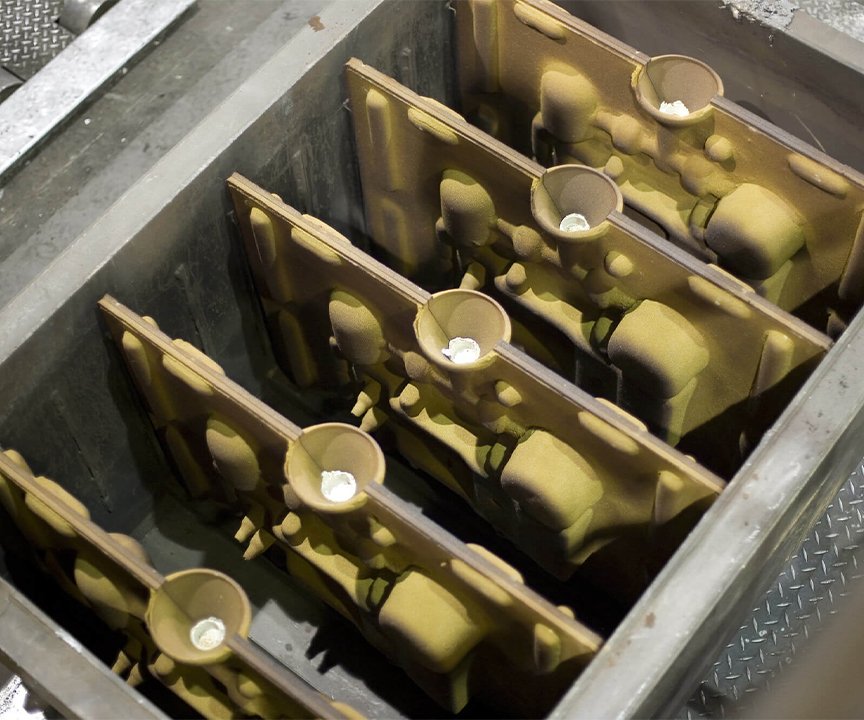
5.Mold Assembly
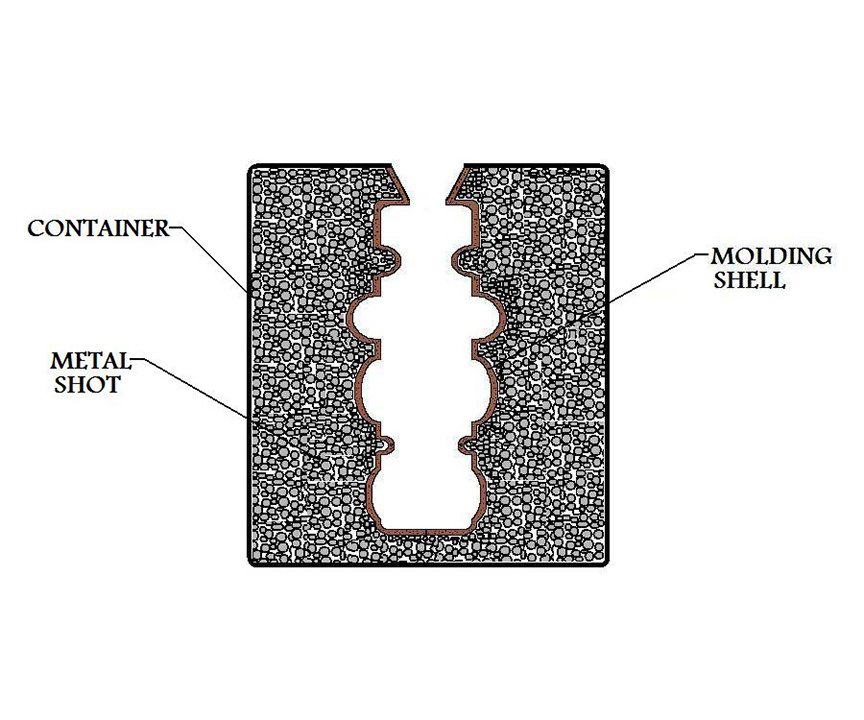
Two shell halves are matched and clamped or glued together to form the complete mold cavity. If the casting requires internal cavities or hollow features, cores made from sand or other materials are inserted at this stage. The assembled mold is then supported with backing materials (like sand or metal shot) to ensure it can withstand the high pressure and weight of molten metal during pouring.
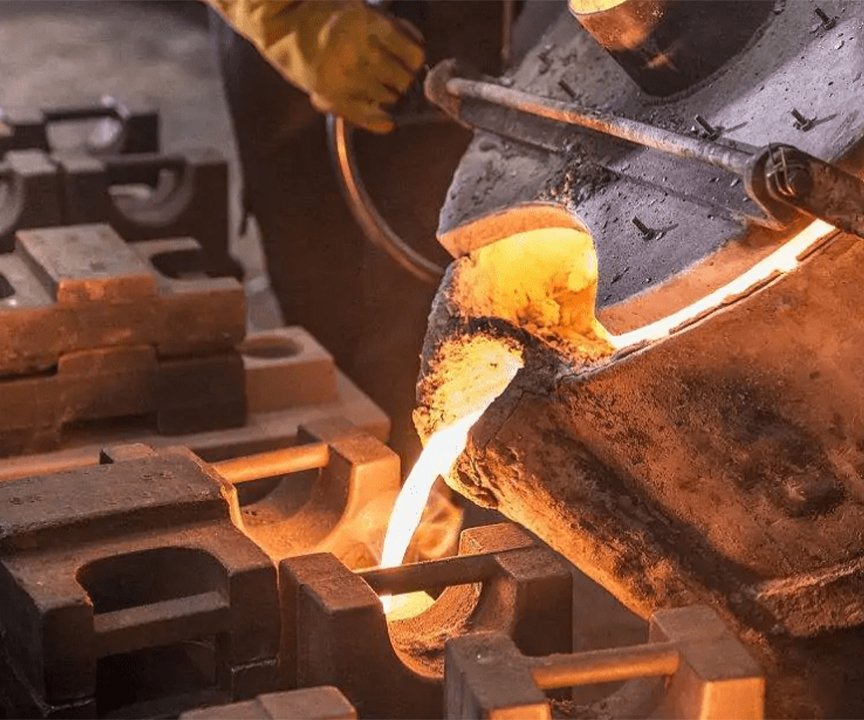
6.Metal Pouring & Cooling
Molten metal is poured into the assembled shell mold through carefully designed gating and riser systems. The strong shell mold allows for smooth metal flow with minimal turbulence, reducing casting defects. After the metal solidifies and cools, the outer shell is broken away or mechanically removed, revealing the finished casting. The casting then undergoes cleaning, trimming, and any necessary machining before final inspection.
Applications of Shell Mold Casting
1. Automotive Industry
Shell mold casting is widely used in the automotive sector for manufacturing cylinder heads, camshaft housings, intake manifolds, and engine components. The process offers tight tolerances and excellent surface finish, which are essential for components that require precise fits, smooth operation, and durability under high temperature and pressure. It also helps reduce post-machining, saving cost and production time.
2. Machine Parts
For gear housings, brackets, levers, and pulleys, shell mold casting ensures dimensional accuracy and consistent quality. These parts often have intricate designs and need to withstand heavy loads or wear during operation. The strong shell molds enable the production of such detailed geometries with minimal defects, making them reliable for mechanical and industrial use.
3. Aerospace Industry
In aerospace, lightweight alloy components with complex shapes, such as structural brackets, housings, and turbine-related parts, are often produced using shell mold casting. The method delivers high precision, fine surface finishes, and reduced machining requirements, which are critical in an industry where both weight reduction and performance reliability are essential.
4. Energy & Power Sector
Shell mold casting is used for producing turbine blades, valve bodies, pump housings, and other energy system components. These parts often require excellent mechanical strength, smooth surfaces for fluid dynamics, and resistance to heat and pressure. The process ensures consistent quality, making it suitable for both conventional power plants and renewable energy equipment.
5. General Engineering
In general engineering and custom manufacturing, shell mold casting is ideal for high-precision custom parts, tools, housings, and components where smooth finishes and close dimensional tolerances are required. It is often chosen for prototypes or medium-batch production where accuracy and surface quality can significantly reduce finishing operations.
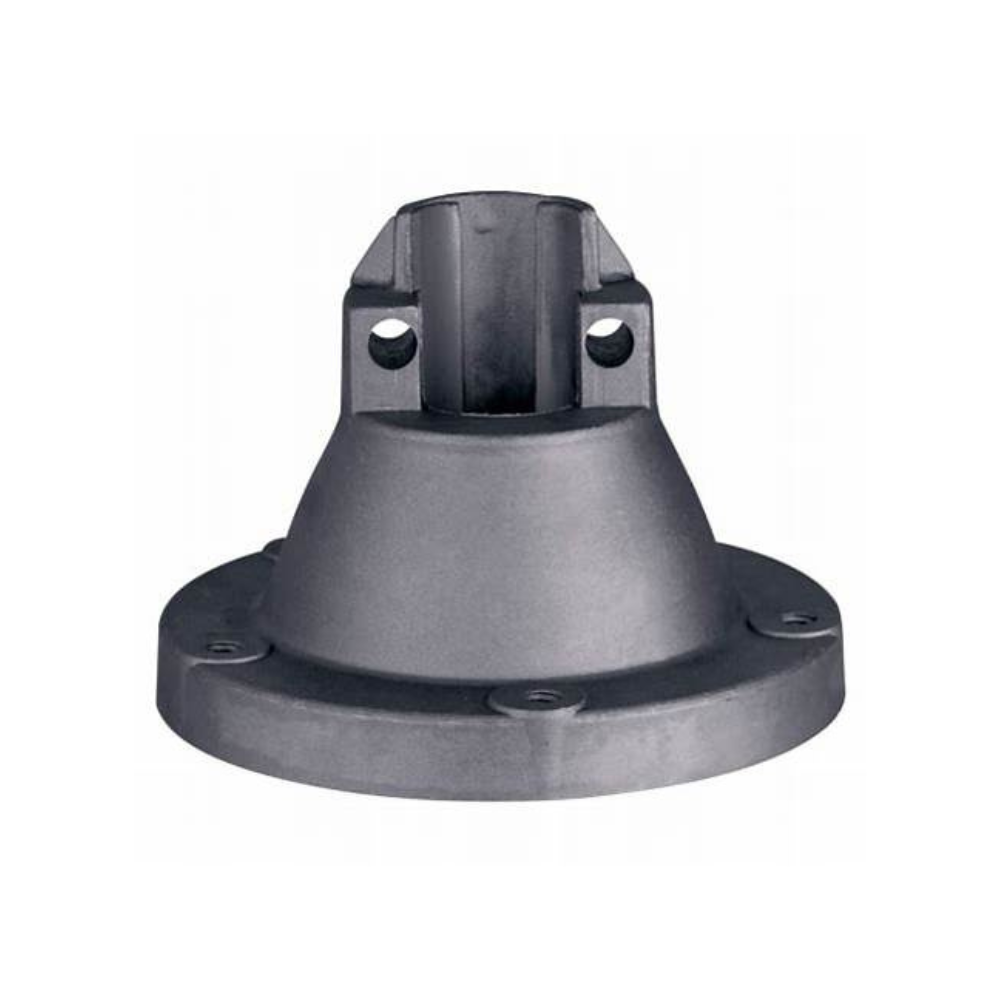
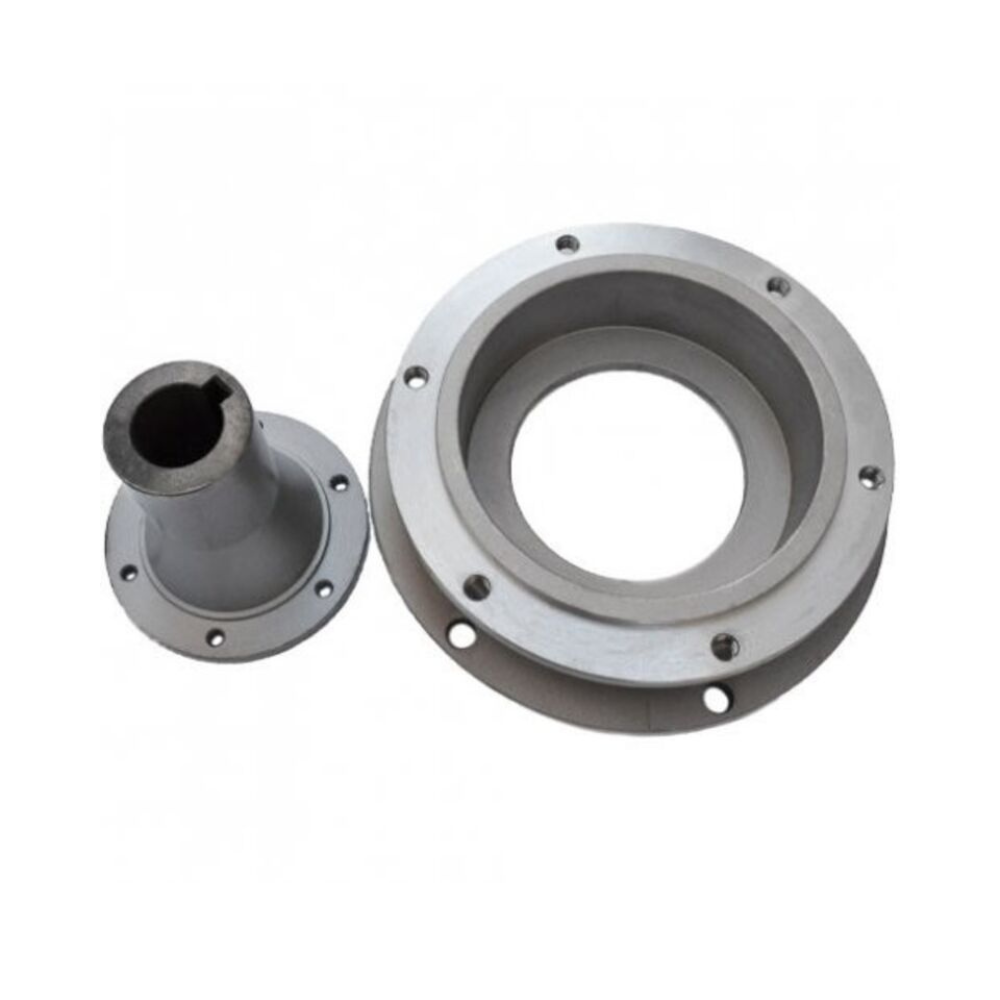
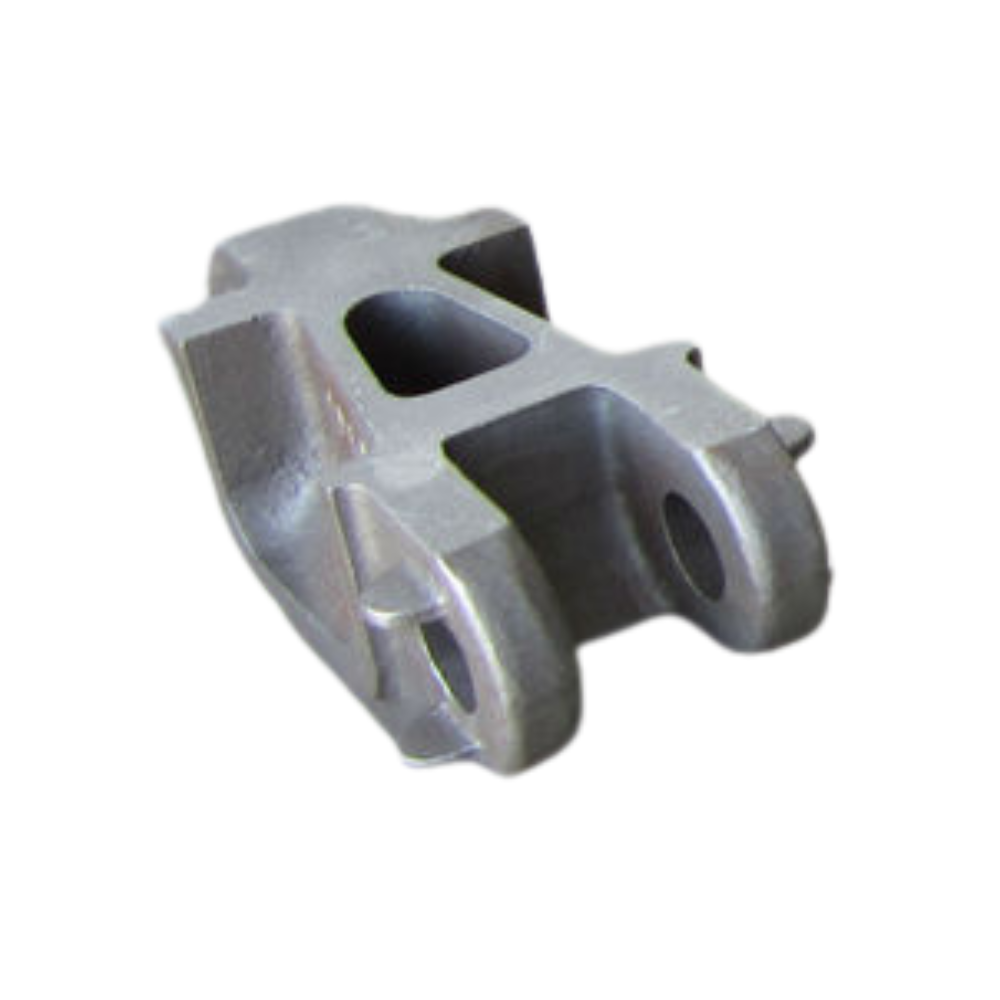
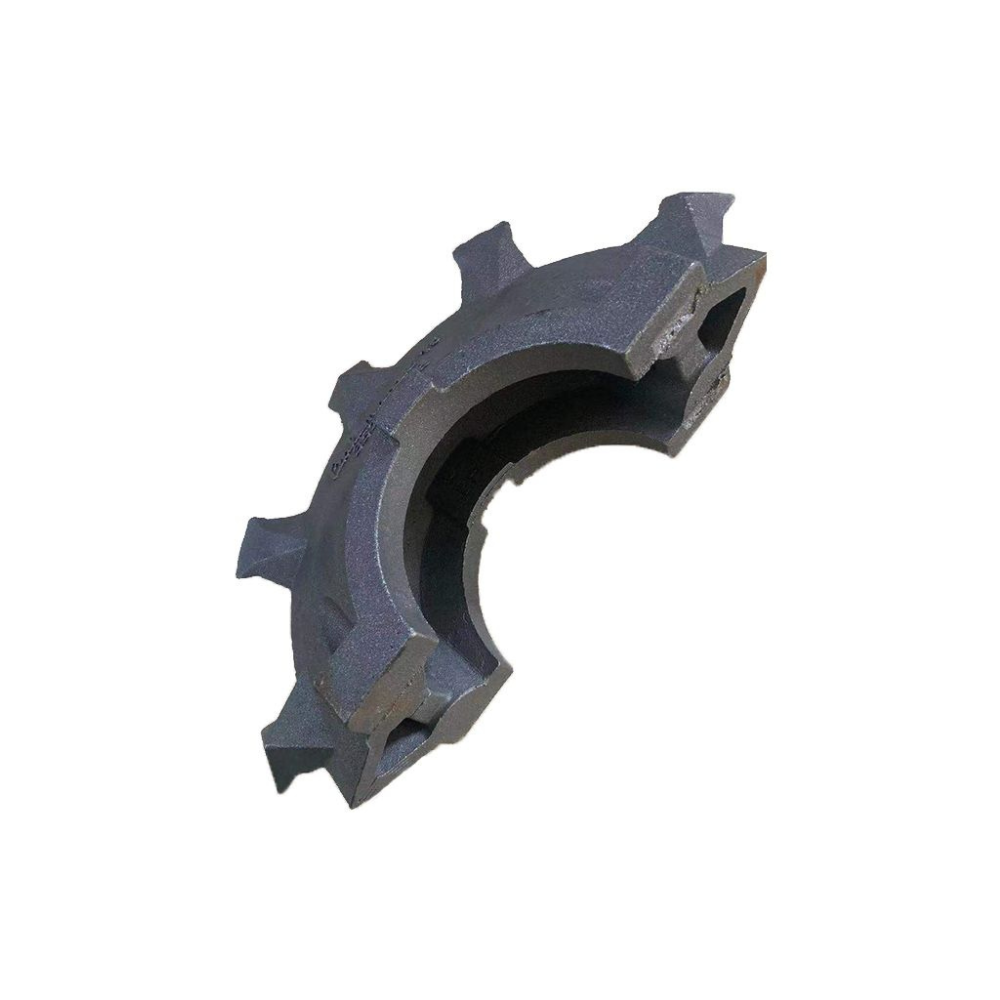
Examples of Shell Mold Casting